Things to Do in Castries in October
October weather, activities, events & insider tips
Shoulder Season · Good Value
October Weather in Castries
Long-run averages for October
85°F (29°C)
High Temp
76°F (25°C)
Low Temp
4.0 inches (102 mm)
Rainfall
77%
Humidity
11
Sunny-Day UV
⚠ Afternoon downpours hit hard. Brief but heavy. Some roads flood. Plan accordingly.
Is October Right for You?
Weigh the advantages and considerations before booking
Advantages
- + The landscape is just waking up from the summer rains. The Pitons glow a deeper, more saturated green. Botanical gardens feel improbably lush. It is a stark visual trade-off for slightly more unpredictable skies.
- + Hotels commanding premium prices during the December-to-March high season now sit at more moderate rates. Wait for last-minute cancellations. You will save significantly.
- + October sits in the shoulder season between summer's rainy peak and winter's dry high. The 4.0 inches (102 mm) of rainfall falls in short, theatrical afternoon bursts. Day-long gloom is rare. Skies often clear for spectacular sunsets.
- + The sea stays bathwater warm at around 28°C (82°F). Far fewer cruise ship crowds share it with you. Less jostling for space on Vigie Beach. Calmer swims off Pigeon Island. Worth it.
Considerations
- − That rainfall figure misleads. In Castries, October rain is not gentle drizzle. The sky opens up for 30-45 minutes at a time, usually late afternoon. You will get caught. You will soak to the skin. Pack accordingly.
- − Adventurous sea activities like catamaran day-sails down to Soufriere or snorkeling trips to the Pitons occasionally cancel when swells pick up. This happens more often in October than brochures admit.
- − Thinner crowds mean thinner schedules for smaller, locally-run tours and seasonal festivals. Hoping for peak-season nightly entertainment at hotels? The vibe runs quieter. Adjust expectations.
Best Activities in October
Top things to do during your visit
October in Castries brings a shift in the island's rhythm. The air is warm and carries the scent of damp earth and salty sea spray after the more frequent, brief afternoon showers that mark the transition from the wetter summer months. You will see lush green hillsides, heavy with recent rain, and feel the gentle, cooling trade winds that sweep across the harbor. Compared to the drier months from January to April, October in Castries experiences nearly double the rainfall. But these showers are often fleeting, leaving the city washed clean and the foliage a deep, saturated green. Locals move with a familiar ease, and the pace feels less hurried than in the peak visitor season, with the harbor's water taking on a deeper, more reflective blue under the tropical sun. You can hear the rhythmic clatter of dominoes in neighborhood bars and the sizzle of fresh fish grilling at roadside stands. The question of safety in Castries is often asked, and the city, like many urban centers, requires standard precautions. Sticking to well-trafficked areas, after dark, and securing valuables is advised. For those considering where to stay, the selection of hotels in Castries ranges from historic buildings overlooking the market to modern resorts along the Vigie coastline, offering a base for exploring the capital's offerings. This month is a practical time for specific inquiries. Here, you can taste the tangy kick of freshly prepared pepper sauce and see towers of golden mangoes and green breadfruit. The evenings might find you listening to the soft strum of a guitar from a beach bar, the sound mingling with the lap of waves against the shore, offering a quieter slice of Saint Lucian life before the busier winter period arrives.

Waterfall and Beach Safari in Santa Lucia
otherYou will feel the cool mist from a cascading waterfall on your skin and later walk on the soft, pale sand of a less-visited beach, hearing the rustle of palm fronds overhead. The contrast between the lush rainforest and the open sea captures the varied landscape of Saint Lucia.
It combines the raw power of a tropical waterfall with the serene relaxation of a hidden beach in a single, fluid excursion.
Insider tip: Wear water shoes with grip for the sometimes slippery rocks near the waterfall and bring a dry bag for your camera.

St Lucia Sunday's Tour
guided_experienceYou might smell woodsmoke and roasting meat from a family barbecue and hear the uplifting harmonies of gospel music drifting from village churches as you travel through communities south of Castries.
This tour has a genuine glimpse into the spiritual and social heart of island life on its most traditional day.
Insider tip: Dress respectfully if the tour includes a chance to observe a church service. Modest clothing that covers shoulders and knees is appropriate.

Hewanorra (UVF) Private Airport Transfer - One Way
transportYou will see the island's changing scenery develop from the window, from the arid southern hills to the lush central rainforest, feeling the relief of an air-conditioned vehicle after the flight.
It eliminates the stress of navigating unfamiliar roads or waiting for shared transport after a long flight.
Insider tip: Confirm with your driver if the route will include a stop at a viewpoint for your first photo of the well-known Pitons, as some are willing to accommodate this.

Soufriere Volcano, Waterfall and Snorkeling Tour by speedboat
adventureYou will smell the distinct sulfuric aroma of the volcano's crater, feel the warm, mineral-rich mud at the waterfall, and see colorful parrotfish darting through clear water while snorkeling.
This high-energy tour efficiently packs the geological wonder of the volcano, the therapeutic Diamond Falls, and a marine encounter into one adrenaline-fueled trip.
Insider tip: The sulfur springs area is hot. Wear lightweight, dark-colored clothing you don't mind potentially staining with mineral mud.

Soufrière Adventure Private Tour
private_tourYou can request to pause at a roadside stall to taste ripe, sweet bananas or spend extra time floating in the warm geothermal pools, listening to the hiss of volcanic vents.
The flexibility to tailor your day and examine sites more than a group tour allows makes this a premium experience.
Insider tip: Work with your guide at the start to prioritize your must-see stops, as even a private tour cannot cover every attraction in Soufrière in one day.

Private Sunset Cruise in St. Lucia
cruiseYou will feel the cool evening breeze, see the sky melt into shades of orange and purple behind the island's silhouette, and hear the gentle splash of the hull against the calm Caribbean Sea.
It has a peaceful, romantic perspective of Saint Lucia's coastline as the day transitions to night.
Insider tip: The sea can be choppier during October's rainier periods. If you are prone to seasickness, consider taking preventative medication beforehand.
Where to Stay in Castries in October
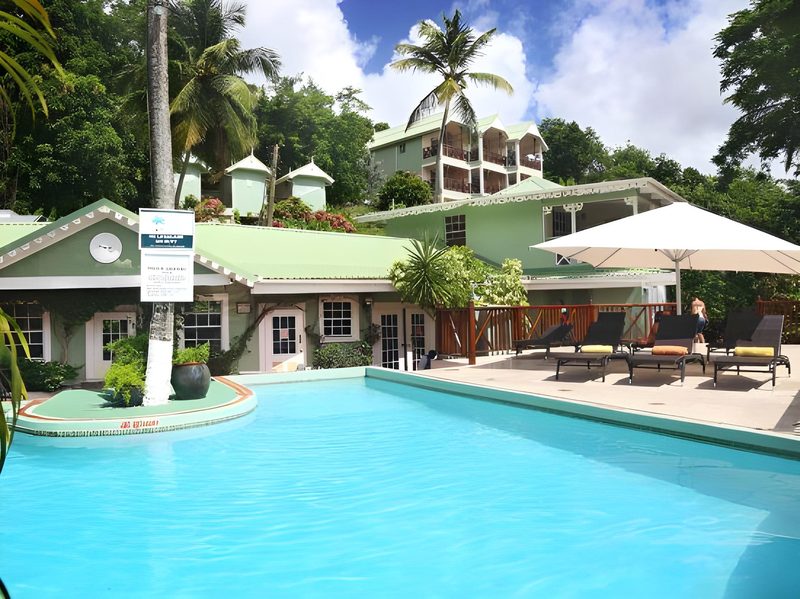
Hand-picked hotels across price tiers for October travellers.
Public Holidays in October
Dates that affect opening hours, transport and crowds
Thanksgiving
Observed nationwide as a public holiday.
Thanksgiving
Observed nationwide as a public holiday.
Thanksgiving
Observed nationwide as a public holiday.
Packing Checklist
Bookmark this page — your progress is saved between visits
Need the full list with shopping links?
Climate-specific gear, brand recommendations, and what to leave at home.
View Castries Packing List →Essential Tips
Insider knowledge and common pitfalls to avoid
Insider Knowledge
Locals live by the rain. Watch the Morne in early afternoon. Dark clouds mean one thing: find shelter. The Coal Pot at Vigie Cove Marina works well. Order rum. Wait. The storm rolls over the harbour. Then step out into fresh, cleared air.
'Liquid sunshine' is not a joke here. Perfect blue mornings deceive. Pack rain gear daily. Never leave it at the hotel.
Cancelled Pitons sea tours happen. Swells are real. Pivot to Soufriere by land. Roads stay passable. Drivers know these conditions. The experience deepens. You see more.
October means village fish fries. Gros Islet hosts them. Calmer post-hurricane seas bring better catches. Listen for word-of-mouth announcements. Local radio helps. Grilled lobster and snapper await. The freshest you'll find.
Avoid These Mistakes
Stop over-scheduling. Build rain delays into your day. An hour or two. Mud baths, hikes, markets in one October day? You'll end stressed. And soaked.
Not all beaches match. Vigie Beach near Castries stays calm. Cas en Bas on the Atlantic side delivers wilder surf. Check conditions first. October waves surprise.
Flip-flops alone fail here. Feet get wet. Pavements break. Trails turn muddy. Pack closed-toe shoes. Water-friendly ones.
Ready to plan your trip to Castries?
Now that you've got the research covered, here's where to go next.
Explore More Activities in Castries
Didn't see anything interesting yet?
Browse Viator's full catalog of tours, day trips, food experiences, and private guides in Castries.
See All Castries Tours on Viator