Things to Do in Castries in August
August weather, activities, events & insider tips
Shoulder Season · Good Value
August Weather in Castries
Long-run averages for August
85°F (30°C)
High Temp
76°F (24°C)
Low Temp
4.5 inches (114 mm)
Rainfall
80%
Humidity
12
Sunny-Day UV
⚠ August sits inside Atlantic hurricane season, June 1 through November 30. Saint Lucia rarely takes direct hits. Risk exists. Buy solid travel insurance. Watch forecasts closely.
Is August Right for You?
Weigh the advantages and considerations before booking
Advantages
- + Castries drops its peak-season polish this month. The city settles into local rhythms. You'll still get the warmth. August delivers reliably balmy afternoons around that 30°C (86°F) mark. The cruise ship crowds from winter months have thinned out, by late August.
- + Rainfall runs higher than January or February. It tends to arrive in predictable, dramatic bursts in the late afternoon. This clears the sticky air. The city smells of wet earth and flowering ginger afterward.
- + It's a surprisingly good window for glimpsing Saint Lucia's marine life. The sea tends to be calmer than the official hurricane season might suggest. The water visibility is often excellent.
- + You might find better flexibility with last-minute bookings for excursions than in the high season. Local operators have a bit more breathing room on their calendars.
Considerations
- − August marks the heart of the Atlantic hurricane season. Direct hits on Saint Lucia are statistically infrequent in any given year. The entire region is officially within the risk zone from June through November. Travel insurance is non-negotiable. You should be mentally prepared for potential itinerary disruptions from tropical waves.
- − The humidity is palpable. That 24°C (75°F) nighttime low doesn't feel cool. It feels like a warm, heavy blanket. Air conditioning in your accommodation isn't a luxury. It's a necessity for decent sleep.
- − Some smaller, locally-owned restaurants or shops might be taking their own annual holidays this month. You could find the occasional favourite spot unexpectedly shuttered for a week or two.
Best Activities in August
Top things to do during your visit
Castries in August slows down. The air hangs thick and warm, with afternoon temperatures often climbing to the high eighties, while nighttime offers little relief beyond the low seventies. This is the heart of the wet season. Sudden, drenching showers sweep in from the sea, turning the city's corrugated tin roofs into a chorus of percussion. The rainfall in August, averaging four and a half inches, is second only to July, lending the surrounding hillsides a deep, saturated green and making the trade winds feel like a blessing. You will see laundry drying quickly on lines in the sun. You will hear the sizzle of rain evaporating on hot pavement. You will feel the cool shock of a sea breeze cutting through the humid air. The pace is deliberate. Locals seek the shade of the market's awnings or the respite of a cool drink. It is a time for embracing the island's fundamental textures rather than its calendar events. The city itself, Saint Lucia's capital, presents a layered portrait. Its harbor is a constant theater of activity, where you can watch container ships glide past fishing boats with brightly painted hulls. The smell of charcoal smoke and frying breadfruit drifts from roadside grills. The central market overflows with the earthy scent of yams and the tang of fresh limes. Exploring Castries means navigating this contrast between commercial bustle and pockets of profound calm, from the echoing calls of vendors to the quiet, filtered light beneath the canopy of the Morne Fortune foothills. In August, the experience is defined by these sensory immediacies. The taste of a just-opened coconut. The sight of storm clouds gathering over the Vigie Peninsula. The feel of warm rainwater on your skin. All set against the lasting backdrop of the Caribbean Sea.

Waterfall and Beach Safari in Santa Lucia
otherThis guided safari takes you beyond Castries into the island's lush interior, trading paved roads for muddy tracks that lead to a cascading waterfall. You will feel the fine, cool mist on your face as you stand near the pounding water, then journey to a secluded cove where golden sand meets turquoise waves. The trip contrasts the raw power of the rainforest with the gentle lap of the Caribbean on an isolated shore.
It delivers the classic Saint Lucian combination of dense jungle and pristine beach within a single, adventurous outing.
Insider tip: Wear sturdy, water-friendly shoes you do not mind getting completely covered in red clay mud, as the trail to the waterfall can be slick and messy after August rains.
This month: The waterfall flow is strong and dramatic following the seasonal August rains.

St Lucia Sunday's Tour
guided_experienceThis Sunday excursion captures the relaxed, communal spirit of the island's day of rest, weaving through local villages where you might hear gospel music floating from church windows. The tour often includes stops where you can taste freshly baked cassava bread or sample local cocoa tea, a spiced, milky beverage. It provides a window into the weekly rhythms of Saint Lucian life away from the port-side energy of Castries.
It has a culturally immersive experience focused on local traditions and Sunday routines that most visitors never see.
Insider tip: If the tour includes a stop at a local bakery or food stall, bring a small amount of cash for these incidental, delicious purchases.

Hewanorra (UVF) Private Airport Transfer - One Way
transportThis private transfer provides an easy, air-conditioned journey from Hewanorra International Airport directly to your accommodation in Castries. You will watch the landscape transform from the arid southern coast to the more populated and verdant hills surrounding the capital, all without the hassle of shared shuttles or taxi negotiations. It is the most straightforward way to begin a Saint Lucia holiday.
It guarantees immediate comfort and efficiency after a long flight, letting you start your time in Castries relaxed.
Insider tip: Confirm with the operator whether your driver will meet you inside the arrivals hall with a sign, as this is the standard for most reputable services.

Soufriere Volcano, Waterfall and Snorkeling Tour by speedboat
adventureThis speedboat tour rockets south from Castries along the coastline, offering views of fishing villages and steep cliffs before arriving at the otherworldly Sulphur Springs. You will smell the sharp, egg-like scent of the volcanic activity, feel the warm, mineral-rich mud on your skin, and later snorkel in clear waters where parrotfish dart over coral. The pace is exhilarating, compressing several of Saint Lucia's well-known sights into one dynamic trip.
It combines geological wonder, sensory adventure, and marine discovery at a thrilling pace only possible by boat.
Insider tip: Apply a light layer of mineral mud at the springs but avoid getting it in your hair, as the sulphur odor can be difficult to wash out completely.
This month: Sea conditions are generally calm in August, making for a smooth and fast speedboat ride along the coast.

Soufrière Adventure Private Tour
private_tourA private tour to Soufrière allows for a personalized itinerary, whether you wish to linger at the Diamond Botanical Gardens amid the scent of tropical flowers or dictate the pace of your visit to the Pitons. Your guide can tailor commentary and stops to your interests, from the history of colonial estates to the best spot for a photo of the well-known peaks. This is exploration on your own terms.
It provides complete flexibility and deep, personalized engagement with Saint Lucia's most famous landmarks.
Insider tip: Discuss your must-see list with your guide at the start of the day. They can often arrange priority access or suggest less-crowded times for popular stops.

Private Sunset Cruise in St. Lucia
cruiseThis private cruise departs from the harbor in Castries as the afternoon light softens, sailing past the silhouette of the Vigie Peninsula. You will feel the warm evening breeze, hear the snap of the sails, and watch the sky over the Caribbean Sea melt into layers of orange, purple, and deep blue, often with a chilled drink in hand. It is a serene and romantic conclusion to a day in Saint Lucia.
It frames the impressive Saint Lucian coastline and sunset from the most peaceful possible vantage point, the water.
Insider tip: Ask the captain if they can position the boat near Marigot Bay for your sunset view, as the sheltered bay creates a dramatic backdrop of hills and yachts.
This month: August sunsets can be vivid, with cloud formations from daytime showers often creating spectacular color displays.
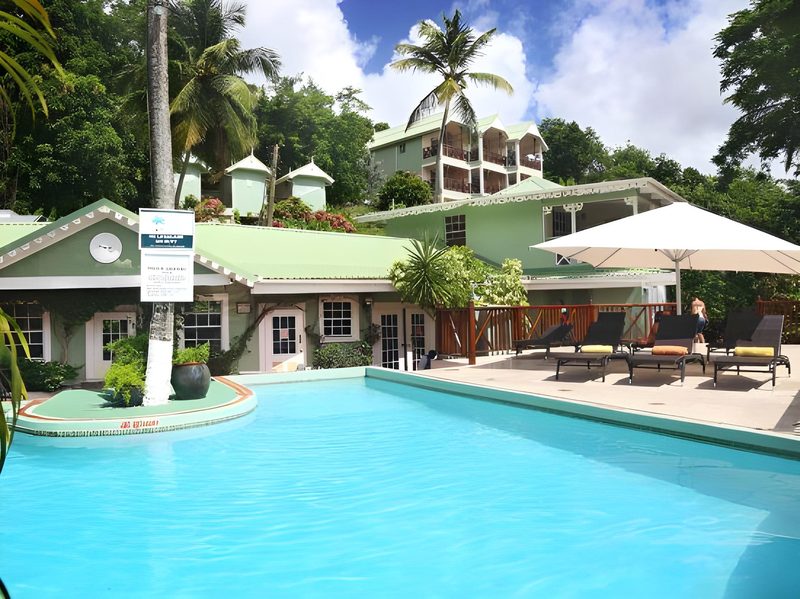
Where to Stay in Castries in August
Hand-picked hotels across price tiers for August travellers.
Public Holidays in August
Dates that affect opening hours, transport and crowds
Emancipation Day
Observed nationwide as a public holiday.
Emancipation Day
Observed nationwide as a public holiday.
Packing Checklist
Bookmark this page — your progress is saved between visits
Need the full list with shopping links?
Climate-specific gear, brand recommendations, and what to leave at home.
View Castries Packing List →Essential Tips
Insider knowledge and common pitfalls to avoid
Insider Knowledge
Skip crowded Vigie Cove for the best beach day in Castries. Locals drive north on the Vigie Peninsula, past the airport runway. The sand stays quiet there. The water remains just as calm and clear.
When afternoon thunderstorms roll in, stay put. Grab a seat at Rainforest Hideaway or another open-air marina bar. Watch lightning crack over the harbour. The shows can be spectacular.
Find real local lunch on Brazil Street, not the waterfront. Look for plain cookshops with steam tables in windows. You'll eat stewed meats, rice, and provisions. The portions are massive. The cost is minimal.
Those 'hurricane season' discounts on villas and tours are genuine. They reflect calculated risk. Savings run significant. Weather might disrupt plans. Flexible travellers often accept this trade.
Avoid These Mistakes
Never underestimate traffic. August brings returning Saint Lucian families. Roadworks pile up before dry season. Castries to Soufriere takes two hours easily. Build in buffer time.
Never book rooms without solid air conditioning. Ocean breezes fail you at 80% humidity. Test the AC first. Verify it works. Sleep matters.
Don't expect daily washouts. Rain averages spread across August, usually brief. Sunshine dominates most hours. Stay flexible. Keep backup plans. Keep outdoor plans too.
Ready to plan your trip to Castries?
Now that you've got the research covered, here's where to go next.
Explore More Activities in Castries
Didn't see anything interesting yet?
Browse Viator's full catalog of tours, day trips, food experiences, and private guides in Castries.
See All Castries Tours on Viator