Things to Do in Castries in July
July weather, activities, events & insider tips
Shoulder Season · Good Value
July Weather in Castries
Long-run averages for July
84°F (29°C)
High Temp
76°F (24°C)
Low Temp
5.0 inches (127 mm)
Rainfall
80%
Humidity
11
Sunny-Day UV
⚠ Afternoon thunderstorms can develop quickly, occasionally bringing brief periods of localized flooding on roads. It is wise to avoid driving through standing water of unknown depth.
Is July Right for You?
Weigh the advantages and considerations before booking
Advantages
- + The Pitons, those well-known volcanic peaks, show their true faces in July. Winter mists clear. Fewer clouds cling to the summits. You will get shots worth framing.
- + The island's rainforests and gardens hit peak lushness in July. Take the 18th century Diamond Botanical Gardens south of Castries. Wet earth hits your nose first. Then gardenia. Then mineral steam from sulfur springs. You smell them before you see them.
- + While the rest of the Caribbean bakes, Saint Lucia keeps its cool. Trade winds blow brisk and steady in July. Listen for them rustling banana leaves on the Castries to Rodney Bay drive. Feel them on every balcony facing the water.
- + July brings the mango harvest. Roadside stands between Castries and Marigot Bay overflow with Julie mangoes. These small, intensely sweet yellow fruits are local favorites. Eat them over the sink. The juice runs down your arms.
Considerations
- − That 5.0 inches of rain does not arrive gently. Expect sudden, theatrical afternoon downpours. The sound on corrugated tin rivals any drum solo. Unpaved trails to waterfalls like Enbas Saut can wash out for hours. Plans change.
- − Wet season conditions affect the smaller boat tours. Snorkeling trips to the sea caves near Anse Cochon face cancellation if swells build. July sees more of these chop events. Notice comes late.
- − Humidity spikes in Castries during July. Step out of Hewanorra Airport and feel it immediately. A warm, wet blanket wraps around you. Cotton shirts stick to backs by mid morning. The market feels it worst.
Best Activities in July
Top things to do during your visit
Castries in July runs on a different clock than the dry, bright months of early spring. The air in the capital hangs thick and warm, carrying damp earth and tropical blossoms after the brief, frequent downpours that define this month. The average high is 29 degrees Celsius, identical to June. But rainfall jumps markedly. Five inches on average makes July one of the wetter periods on the island. The showers hit hard and pass fast. Corrugated metal roofs steam in the returning sun. The lush hillsides surrounding Castries turn a deeper, more saturated green. Locals handle these patterns without fuss. They carry umbrellas as routine. They pause in covered market stalls when sudden rain sweeps the harbor. Just the steady, humid pace of daily life, where rain on broad leaves sounds as common as vendors calling in the market. Visitors find a city fully alive but less caught up in peak tourist season. The pace feels more authentic. You see Castries engaged in its own rhythms, not performing for crowds. Mornings stay clear and bright. Explore then, before heat builds and afternoon clouds gather. Evenings bring relief. Temperatures dip to 24 degrees Celsius. A cool breeze often comes off the Caribbean. This is the time for cool drinks in shaded courtyards. For watching fishing boats bob in the rain-slickened harbor. For feeling the tropical climate at its most verdant and potent. The experience of Castries in July is defined by this lush, rain-fed atmosphere. The busy energy of the city softens under daily tropical showers.

Waterfall and Beach Safari in Santa Lucia
otherYou feel mist from a cascading waterfall on your skin. Later you sink your toes into warm, golden sand of a secluded cove. The contrast is sharp. Cool, mineral-scented air of the rainforest. Salty, sun-heated breeze of the shoreline. Together they capture the dual nature of Saint Lucia. You hear thunderous roar of water hitting a rocky pool. Then gentle lap of waves along a quiet beach.
It combines raw power of the island's volcanic landscape with serene pleasure of a Caribbean beach in a single, fluid journey.
Insider tip: Wear water shoes with good grip for sometimes-slippery rocks near the waterfall. Bring a separate, dry bag for your camera and beach clothes.
This month: The rainforest trails are lush and waterfall flow is strong following increased July rains.

St Lucia Sunday's Tour
guided_experienceIt often includes a visit to a community church service where gospel hymns fill the air, followed by a family-style meal. You might taste slow-cooked breadfruit, savory stewed meats, and other dishes that define Saint Lucian home cooking. All while engaging in the leisurely, convivial pace of a Caribbean weekend.
It offers an intimate look at the cultural and good-food heart of Saint Lucian life, far from standard tourist itinerary.
Insider tip: Dress respectfully for any religious service. Lightweight, modest clothing that covers shoulders and knees is appropriate.

Hewanorra (UVF) Private Airport Transfer - One Way
transportYou watch landscape transform from arid southern hills to lush, banana-filled valleys near the capital. You feel humid Caribbean air as soon as car door opens.
It eliminates stress of navigating unfamiliar roads or haggling with taxis after a long flight. You begin your holiday relaxed.
Insider tip: Confirm with your driver the specific meeting point outside arrivals hall. Airport pickup areas can be busy.

Soufriere Volcano, Waterfall and Snorkeling Tour by speedboat
adventureThe sulfurous smell of Soufrière volcano's bubbling mud pools. The invigorating shock of a waterfall plunge. The sight of colorful parrotfish darting through clear snorkeling waters. The boat ride itself along western coast offers views of Saint Lucia's well-known Pitons rising from the sea. Their green slopes often shrouded in July's passing clouds.
It packs island's most dramatic geological and marine highlights into one adrenaline-fueled coastal adventure.
Insider tip: The sulfur springs can stain light-colored jewelry and clothing. Wear darker swimwear you don't mind getting mineral-rich mud on.
This month: The sea is generally calm in July, making for a smooth speedboat ride along the coast.

Soufrière Adventure Private Tour
private_tourYour guide can tailor commentary to your curiosity, whether about local botany, colonial history, or best place to taste tangy, homemade cocoa tea.
It transforms a standard sightseeing route into personalized exploration shaped entirely by your own pace and interests.
Insider tip: Discuss your must-see list with your guide at start of day to optimize route and timing, with potential for afternoon rain.

Private Sunset Cruise in St. Lucia
cruiseYou feel cool evening breeze on your face. You hear soft creak of the boat. You taste chilled rum punch while watching last fishing boats return to harbor, their lights twinkling on darkening water.
It provides a profoundly peaceful and romantic perspective on the island, watching day end from calm of the Caribbean Sea.
Insider tip: While impressive sunsets are common, July's cloudier afternoons can sometimes create even more dramatic, textured skies.
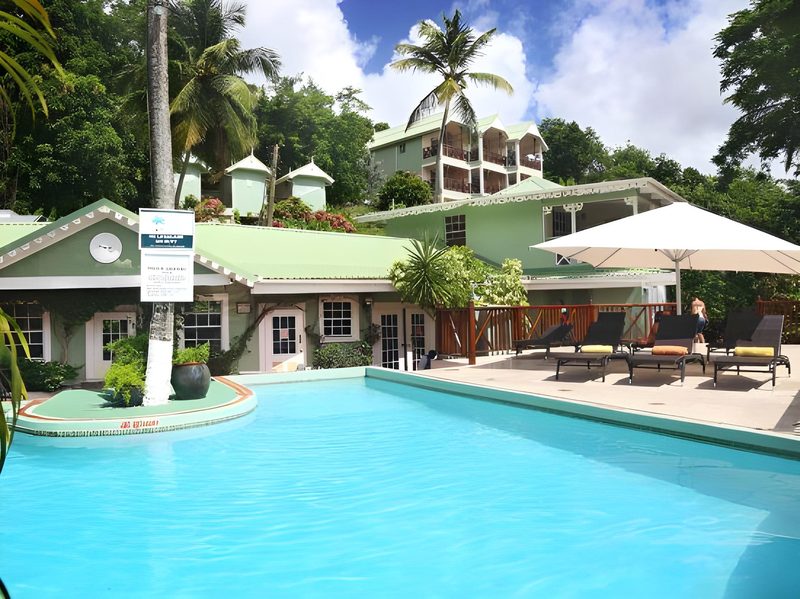
Where to Stay in Castries in July
Hand-picked hotels across price tiers for July travellers.
Packing Checklist
Bookmark this page — your progress is saved between visits
Need the full list with shopping links?
Climate-specific gear, brand recommendations, and what to leave at home.
View Castries Packing List →Essential Tips
Insider knowledge and common pitfalls to avoid
Insider Knowledge
The best mangoes are not in the Castries market. They are at the temporary wooden stands locals set up along the John Compton Highway between Castries and Gros Islet. Look for the 'Julie' variety. Small, fibrous, and impossibly sweet.
If an afternoon rainstorm catches you in downtown Castries, do not just duck into a shop. Head to the steps of the Castries Central Library on Peynier Street. It is a grand old colonial building with a covered portico where you can wait out the rain with a view of the harbor activity.
When booking a catamaran cruise, ask if it goes 'downwind' to the Pitons. Some cheaper tours just motor along the coast. The true sailing experience, where the engines cut and you hear only the wind and water, is worth seeking out.
Locals know that the rain often follows a pattern. Bright morning, building clouds around lunch, a downpour between 2-4 PM, then clearing skies for sunset. Plan your outdoor adventures for the morning, your indoor explorations (like the Cathedral or market) for the afternoon, and your dinner reservations for a post-rain, glittering evening.
Avoid These Mistakes
Over-scheduling every day. July in Saint Lucia requires flexibility. Booking a tight chain of non-refundable tours back-to-back means you might miss one when a morning rain lingers or a boat trip is canceled due to swells.
Assuming all beaches are created equal. The west coast beaches like Reduit near Castries are calm. The Atlantic-facing east coast beaches are wild, rough, and often empty in July due to stronger waves and currents. Beautiful to see. Not always safe for swimming.
Underestimating the driving times. The winding, hilly road from Castries to Soufrière is only about 50 km (31 miles), but it can easily take 90 minutes. Google Maps estimates are often optimistic, if you get stuck behind a slow truck on a narrow stretch in the rain.
Ready to plan your trip to Castries?
Now that you've got the research covered, here's where to go next.
Explore More Activities in Castries
Didn't see anything interesting yet?
Browse Viator's full catalog of tours, day trips, food experiences, and private guides in Castries.
See All Castries Tours on Viator